Sell a house during divorce
The hard part of trying to sell a house during divorce is rarely the house. It is that every decision now needs two people to agree, and they already disagree about a lot. A listing drags that out for months, with joint calls about price cuts, repairs and offers. One sale, one date, one number is usually kinder for everyone.
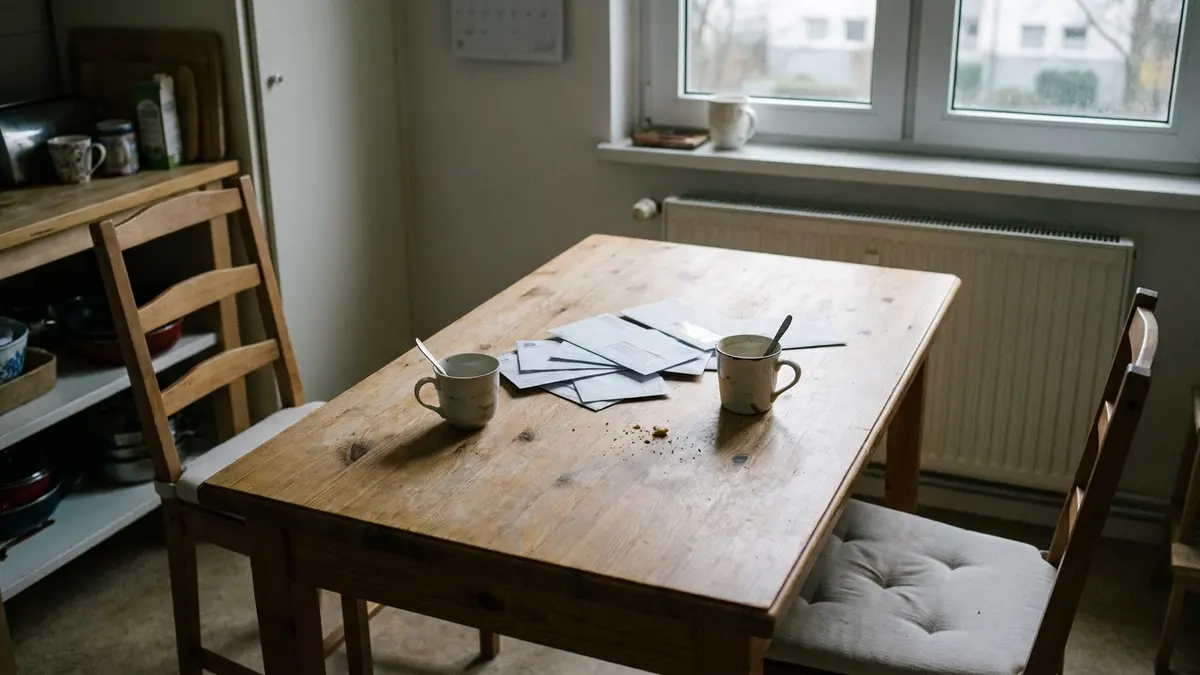
Why a conventional listing prolongs the hardest part
A listed house has to stay tidy for strangers. Showings have to fit two schedules. You both have to agree on every offer and every inspection request. If one of you has moved out, the other carries that load alone, while you are both still tied to the mortgage. The house stays a shared burden for exactly as long as the sale takes.
What to know
A single number is easier to divide than a process
Attorneys and mediators can work with a firm figure and a firm date. It is much harder to work with an open-ended listing, where nobody knows the final proceeds for months. Certainty has real value in a negotiation, apart from the amount itself.
Both spouses on title must sign
If both names are on the deed, both of you must sign. That is true no matter who has paid the mortgage or who lives there. In some states a spouse may need to sign even if they are not on the deed. That comes from marital property or homestead rules. Your attorney will know which applies.
A court order or settlement agreement may govern the sale
If a decree or temporary order already covers the house, its terms control. Send it to us and we will work within it. We would much rather read it early than find a restriction at closing.
Refinancing to keep the house is often the real question
If one spouse wants to stay, the usual path is refinancing into their name alone. That takes the other person off the loan. Whether it works depends on that person's income and credit on their own. Get a straight answer from a lender before you commit to a sale. It changes everything.
Both parties get the same information from us
We send the same answer, the same figures, and the same closing details to both of you and both attorneys. No side conversations. Here, staying neutral is not just good manners. It is what keeps the sale from turning into another dispute.
This is general information based on what we see in this situation regularly. It is not legal, tax, or financial advice, and the rules differ meaningfully from state to state. Talk to an attorney or a CPA about your specific circumstances.
How we handle this specifically
- One written answer, sent to both of you and both attorneys at the same time.
- We work directly with attorneys and mediators, and to a court-ordered timeline if there is one.
- No showings, no staging, no keeping the house tidy while you are living through this.
- A firm closing date you can both plan around, including when each person moves.
How selling to us actually works
Tell us about the house, and your number
The address, a rough idea of its condition, and what you need to get for it. No photos, appraisal, or repair estimates needed, and nothing has to be cleaned up first.
About 2 minutes
We check whether your number works
We look up recent sales of similar homes nearby and see the house ourselves. Then we check the math against your number. It takes one walkthrough, at a time that suits you, and we pay for any inspection.
Usually within 24 to 48 hours
You get a straight answer, not a pitch
Either yes, we can do your number, or no, we cannot, and here is exactly where the gap is. You get it in writing, with no pressure and no deadline games. If it works, a title company handles closing and you pick the date.
Close in about 1 to 3 weeks, or later if you prefer
Common questions
- Do both of us have to agree to sell?
- If both names are on the deed, yes, both of you must sign. If a court order already directs the sale, its terms govern. Your attorney can explain what that requires.
- Can you work with our attorneys directly?
- Yes, and it is usually the smoothest way. We are happy to send everything through your attorneys so there are no side conversations.
- What if one of us still lives in the house?
- That is common and not a problem. We can set the closing date so the person living there has reasonable time to move.
- Is a cash sale going to net us less than listing?
- Possibly, if the house is updated and the market is strong. On the other side, weigh months of shared carrying costs, commissions, and the cost of staying financially tied together. We will give you an honest read on which way it falls.
Related situations
Relocating for work
A start date that will not move and a house that has not sold yet.
Behind on mortgage payments
Missed payments are not the same as losing the house or the equity.
Inherited a property
Often shared between siblings, full of belongings, and costing money every month.
We handle this in every market we buy in
Talk to us before you decide anything
You do not need a number ready, or photos, or a plan. Want to know your real options, even the ones that do not involve us? Call and ask.

Sabrina usually picks up. (615) 576-8827