Sell my house before foreclosure
People searching "sell my house before foreclosure" are usually further from losing it than they think. A notice starts a legal process. It does not end your ownership. Until the sale is final, the house is still yours. So is any money above what you owe. People lose that money every week because nobody told them it was theirs.
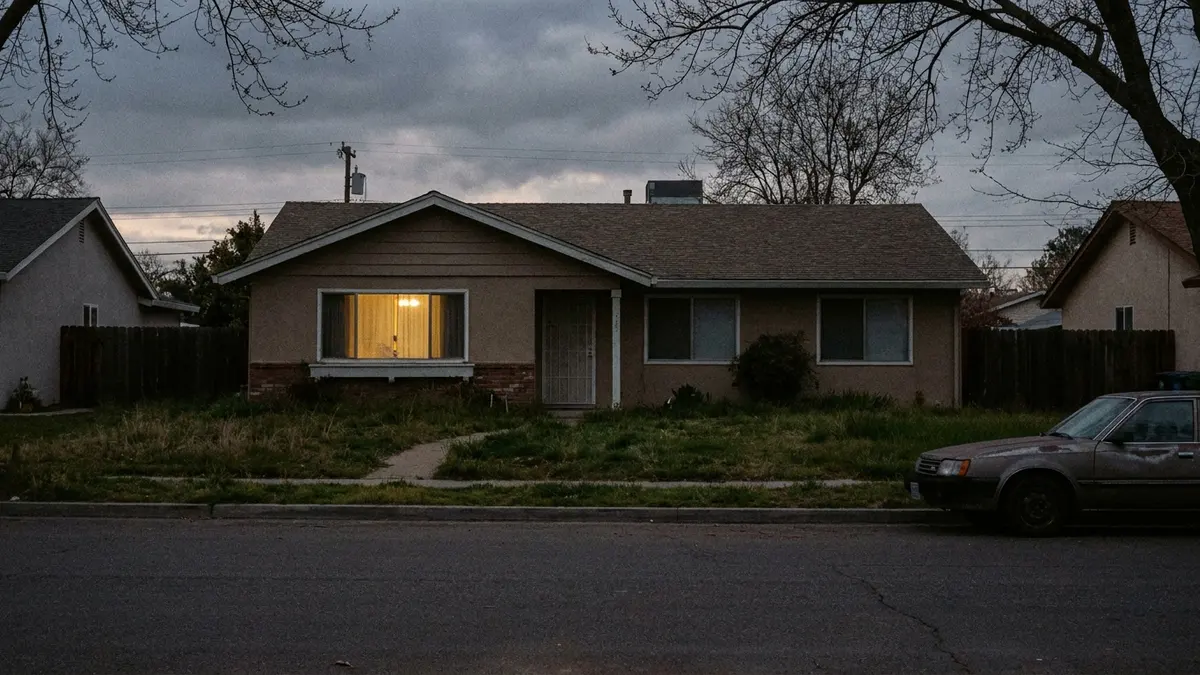
Why a normal listing often does not work in time
A normal sale has to get through showings, an appraisal, and the buyer's loan approval. That usually takes 30 to 60 days after you find a buyer. Add however long the house sits on the market first. If a sale date is already on the calendar, that timeline is the problem. A cash purchase takes the buyer's lender out of the picture. That is what makes a short, certain closing possible.
What to know
You keep the equity above what you owe
Lenders rarely mention this part. If the house is worth more than the loan plus fees, the extra money belongs to you, not the bank. If the house goes all the way to a foreclosure auction, fees and penalties are far more likely to eat into it. Or it can get stuck for months in a claims process.
Foreclosure timelines are set by state law, not by your lender
Some states run foreclosures through the courts, which takes much longer. Others allow a non-judicial process that moves far faster. Two people the same number of payments behind can be in very different spots, depending on where the house is. Get the actual sale date in writing before you guess how much time you have.
Reinstatement and payoff are different numbers
Your lender can quote you two figures. The reinstatement figure brings the loan current. The payoff figure closes it out completely. A sale needs the payoff number. Ask for it in writing early. It includes fees and accrued interest that your monthly statement does not show.
A recorded notice is public, so expect the mail to start
Once a notice of default or lis pendens is recorded, it becomes public record, and people sell those lists. The flood of letters and calls that follows does not mean your situation is desperate. It only means a public record exists. Take your time and compare what each of them is really offering.
Communicate with your servicer even while you sell
Servicers can sometimes postpone a sale date if you have a signed purchase contract and a closing date from a title company. That will not happen if they only hear about it afterward. The phone call is worth making.
This is general information based on what we see in this situation regularly. It is not legal, tax, or financial advice, and the rules differ meaningfully from state to state. Talk to an attorney or a CPA about your specific circumstances.
How we handle this specifically
- We can work to a specific date. If a sale date is on the calendar, tell us. We build the closing around it, not the other way round.
- With your written permission, we deal with your servicer's payoff department directly. You do not have to pass figures back and forth.
- There are no commissions, and we pay standard closing costs. That keeps the payoff math simple and leaves more for you.
- If you would net more by reinstating the loan or listing the usual way, we will tell you. Selling is not always the right answer.
How selling to us actually works
Tell us about the house, and your number
The address, a rough idea of its condition, and what you need to get for it. No photos, appraisal, or repair estimates needed, and nothing has to be cleaned up first.
About 2 minutes
We check whether your number works
We look up recent sales of similar homes nearby and see the house ourselves. Then we check the math against your number. It takes one walkthrough, at a time that suits you, and we pay for any inspection.
Usually within 24 to 48 hours
You get a straight answer, not a pitch
Either yes, we can do your number, or no, we cannot, and here is exactly where the gap is. You get it in writing, with no pressure and no deadline games. If it works, a title company handles closing and you pick the date.
Close in about 1 to 3 weeks, or later if you prefer
Common questions
- Can I sell my house after receiving a foreclosure notice?
- In almost all cases, yes. You stay the owner until the foreclosure sale is final, and you can sell any time before that. The sale pays off the loan, and any money left over goes to you.
- Will selling before foreclosure hurt my credit less than foreclosing?
- A finished sale that pays off the loan avoids the foreclosure entry itself. Late payments already reported will stay on your report. Credit reporting depends on your servicer and your situation, so check with them directly.
- What if I owe more than the house is worth?
- That is a short sale. It needs your lender's approval and takes longer than a normal sale. We can still work with you. Just know that the lender approves the final number and controls the timeline, not us.
- How fast can you actually close?
- When title is clean, a cash purchase can close in about one to three weeks. What usually sets the pace is the title search and the payoff statement, not the money.
Related situations
Behind on mortgage payments
Missed payments are not the same as losing the house or the equity.
Back taxes or liens
Liens get paid from the proceeds at closing. They do not block a sale.
House needs major repairs
Roof, foundation, mold, or a renovation somebody started and never finished.
We handle this in every market we buy in
Talk to us before you decide anything
You do not need a number ready, or photos, or a plan. Want to know your real options, even the ones that do not involve us? Call and ask.

Sabrina usually picks up. (615) 576-8827