Sell a rental property with tenants
You can sell a rental property with tenants still in it. Most landlords are told to wait for the lease to end, or to evict first. Usually neither is true. An occupied rental is a normal thing to buy. For an investor it is often worth more than an empty one, because the rent starts on day one. Your tenants keep their home and their lease.
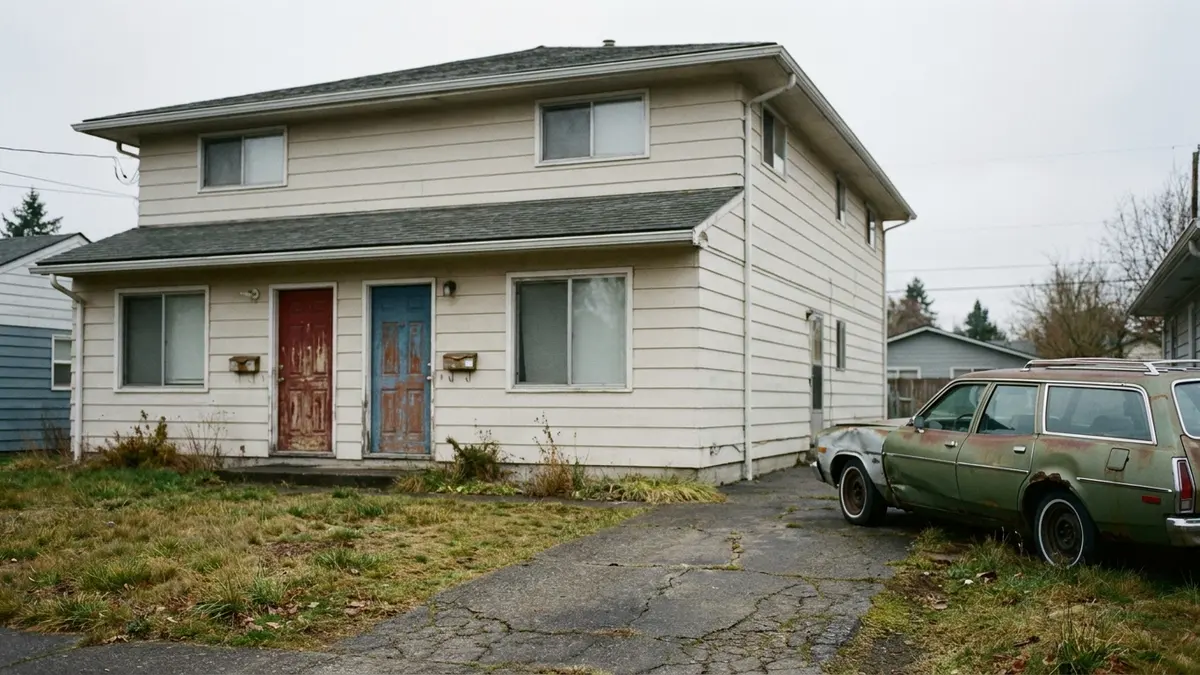
Why owner-occupant buyers make this difficult
Someone buying a home to live in needs it empty at closing. That means waiting out the lease or paying the tenant to leave. They also want to walk through it several times. Your tenants have no duty to keep the place tidy for a sale they did not ask for. Marketing a rented house to owner-occupants creates friction for everyone. It is why so many landlords believe they must empty the house first.
What to know
The lease survives the sale
In nearly every state, a valid lease runs with the property. The new owner steps into the existing lease and takes on its terms. That helps you here. It means your tenants are not put out on the street because you sold.
You do not have to evict first
Evictions are slow and expensive, and in many places they are getting slower. Maybe a tenant has stopped paying, or you inherited an occupant with the property. Either way, that becomes our problem to handle after closing. You do not have to solve it first.
Security deposits transfer, and the accounting matters
Deposits are credited to the buyer at closing. The duty to return them moves with the property. Most states have specific rules for how deposits are held and transferred, so have your ledger ready. This is routine. It is also the item most often missing when a landlord's sale slows down.
Bring the paperwork, not just the address
Bring current leases, the rent roll, deposit records, and any written notices already served. A landlord with this ready gets a firm number quickly. A landlord without it usually waits a week while it gets pieced back together.
Depreciation recapture is the tax item people forget
Selling a rental you have depreciated for years can trigger depreciation recapture on top of capital gains. That surprises a lot of owners. A 1031 exchange may defer it if you plan to buy another investment property. But the deadlines are strict, and they start at closing. Talk to your CPA before you sign anything, not after.
This is general information based on what we see in this situation regularly. It is not legal, tax, or financial advice, and the rules differ meaningfully from state to state. Talk to an attorney or a CPA about your specific circumstances.
How we handle this specifically
- We buy occupied, mid-lease, or with a tenant who has stopped paying. None of those lower our interest.
- No showings that disturb your tenants. One walkthrough, set up with proper notice.
- We take on any eviction or unpaid rent after closing, at our cost.
- If you are mid-1031 or need a certain closing date for tax reasons, we work to your calendar.
How selling to us actually works
Tell us about the house, and your number
The address, a rough idea of its condition, and what you need to get for it. No photos, appraisal, or repair estimates needed, and nothing has to be cleaned up first.
About 2 minutes
We check whether your number works
We look up recent sales of similar homes nearby and see the house ourselves. Then we check the math against your number. It takes one walkthrough, at a time that suits you, and we pay for any inspection.
Usually within 24 to 48 hours
You get a straight answer, not a pitch
Either yes, we can do your number, or no, we cannot, and here is exactly where the gap is. You get it in writing, with no pressure and no deadline games. If it works, a title company handles closing and you pick the date.
Close in about 1 to 3 weeks, or later if you prefer
Common questions
- Can I sell with tenants still living there?
- Yes. The lease transfers with the property and the tenants stay. Nothing about their tenancy has to change for the sale to close.
- What if my tenant has not paid rent in months?
- Still fine. Tell us where things stand and whether anything has been filed. We take it on after closing.
- Do I need to give my tenants notice that I am selling?
- Notice rules vary by state and by lease. You will usually need to give proper notice before any walkthrough, and we schedule around that. Your lease and state law set the details.
- Can you close around a 1031 exchange?
- Yes, but the deadlines are strict and start running at closing. Have your qualified intermediary lined up before we sign. Set the date together with your CPA.
Related situations
Vacant or unwanted house
Empty houses deteriorate faster and cost more to insure than people expect.
House needs major repairs
Roof, foundation, mold, or a renovation somebody started and never finished.
Relocating for work
A start date that will not move and a house that has not sold yet.
We handle this in every market we buy in
Talk to us before you decide anything
You do not need a number ready, or photos, or a plan. Want to know your real options, even the ones that do not involve us? Call and ask.

Sabrina usually picks up. (615) 576-8827