Sell a vacant house
The reason to sell a vacant house sooner rather than later is simple math, not pressure from anybody. An empty house does not hold steady. It declines, and it costs you money every month while it does. Many insurance policies also have a vacancy clause that limits cover after a month or two. That is exactly when the risk of a burst pipe or a break-in starts to climb.
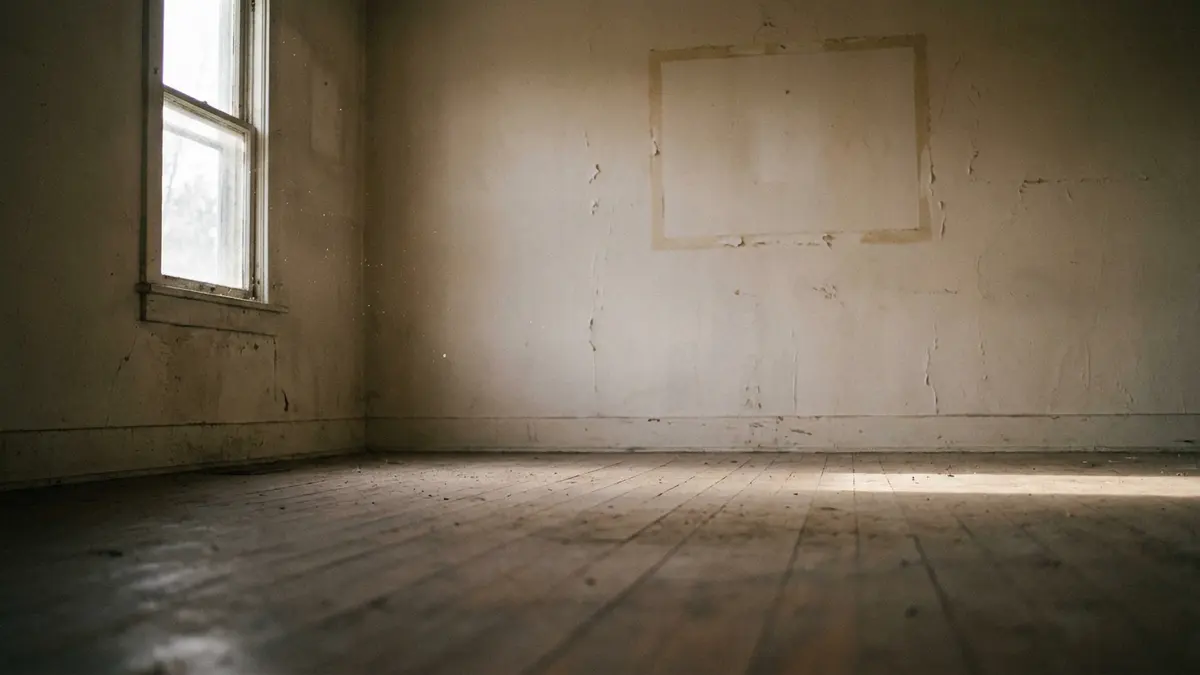
Empty houses get harder to sell the longer they are empty
Without heat in winter, pipes freeze. Without some water use, drain traps dry out and sewer gas backs up. With nobody there, a small roof leak becomes a fallen ceiling. A break-in becomes a house stripped of its copper plumbing. Each of these pushes the house further out of reach for buyers with a mortgage. That leaves only cash buyers, just as your carrying costs pile up.
What to know
Check your policy before anything else
Most standard homeowner policies have a vacancy clause. After a set period, typically 30 or 60 days, coverage for vandalism and water damage stops. Sometimes everything else stops too. A vacant-property policy costs more. But an uninsured loss on an empty house costs far more.
Winterize if the house will sit through a freeze
Turning off the water at the main and draining the lines is cheap. It prevents the most common disaster in empty homes. A burst supply line running unnoticed for a week can destroy a house.
Distance makes everything harder
Many vacant houses belong to someone who now lives in another state. Handling repairs, contractors, and city notices from far away is hard and expensive. You do not need to be there for our purchase, and remote closings are routine.
Watch for municipal violations and vacant-property registration
Many cities require vacant properties to be registered. They also fine owners for tall grass, unsecured doors or windows, or code violations. These fines add up quietly and attach to the property, so they show up in the title search. Tell us about any notices you have received.
Squatters and unauthorized occupants are solvable
If someone has moved in without permission, that is a serious headache to sort out from far away. It is one we can take on. Do not let it stop you from asking.
This is general information based on what we see in this situation regularly. It is not legal, tax, or financial advice, and the rules differ meaningfully from state to state. Talk to an attorney or a CPA about your specific circumstances.
How we handle this specifically
- You do not need to be there. Remote closings by mail or with a mobile notary are routine.
- We handle cleanout, code violations, and unauthorized occupants after closing.
- You do not need to turn the utilities back on for our walkthrough.
- If the house is in decent shape and the local market is fast, we will tell you when listing would net more.
How selling to us actually works
Tell us about the house, and your number
The address, a rough idea of its condition, and what you need to get for it. No photos, appraisal, or repair estimates needed, and nothing has to be cleaned up first.
About 2 minutes
We check whether your number works
We look up recent sales of similar homes nearby and see the house ourselves. Then we check the math against your number. It takes one walkthrough, at a time that suits you, and we pay for any inspection.
Usually within 24 to 48 hours
You get a straight answer, not a pitch
Either yes, we can do your number, or no, we cannot, and here is exactly where the gap is. You get it in writing, with no pressure and no deadline games. If it works, a title company handles closing and you pick the date.
Close in about 1 to 3 weeks, or later if you prefer
Common questions
- The house is in another state from me. Does that matter?
- No. We buy nationwide and remote closings are normal. You can sign by mail or with a mobile notary wherever you live.
- The utilities are shut off. Is that a problem?
- No. We do not need power or water on to assess the property.
- There are code violations and fines against the property. Can you still buy it?
- Yes. Municipal liens are usually paid off at closing from the proceeds. Tell us what notices you have received so we can account for them when we answer on your number.
- Someone is living in the house who should not be. Can you help?
- Yes. Tell us the situation. We take it on after closing instead of asking you to resolve it first.
Related situations
Inherited a property
Often shared between siblings, full of belongings, and costing money every month.
House needs major repairs
Roof, foundation, mold, or a renovation somebody started and never finished.
Tired of being a landlord
Tenants in place, mid-lease, or one who has stopped paying entirely.
We handle this in every market we buy in
Talk to us before you decide anything
You do not need a number ready, or photos, or a plan. Want to know your real options, even the ones that do not involve us? Call and ask.

Sabrina usually picks up. (615) 576-8827